
Insulation Before & After in Enterprise, NV
Attic work is easy to talk about and hard to prove. So we show it. Below are real project types we run across Enterprise – the hot attic, the cold room over the garage, the ducts buried under old fiber. Each before-and-after starts with a problem, explains the fix in plain terms, and ends with what the homeowner noticed afterward. Photos are being added to each slot as jobs wrap.
Recent Transformations
Attic Insulation: From Bare Joists to a Full Blanket
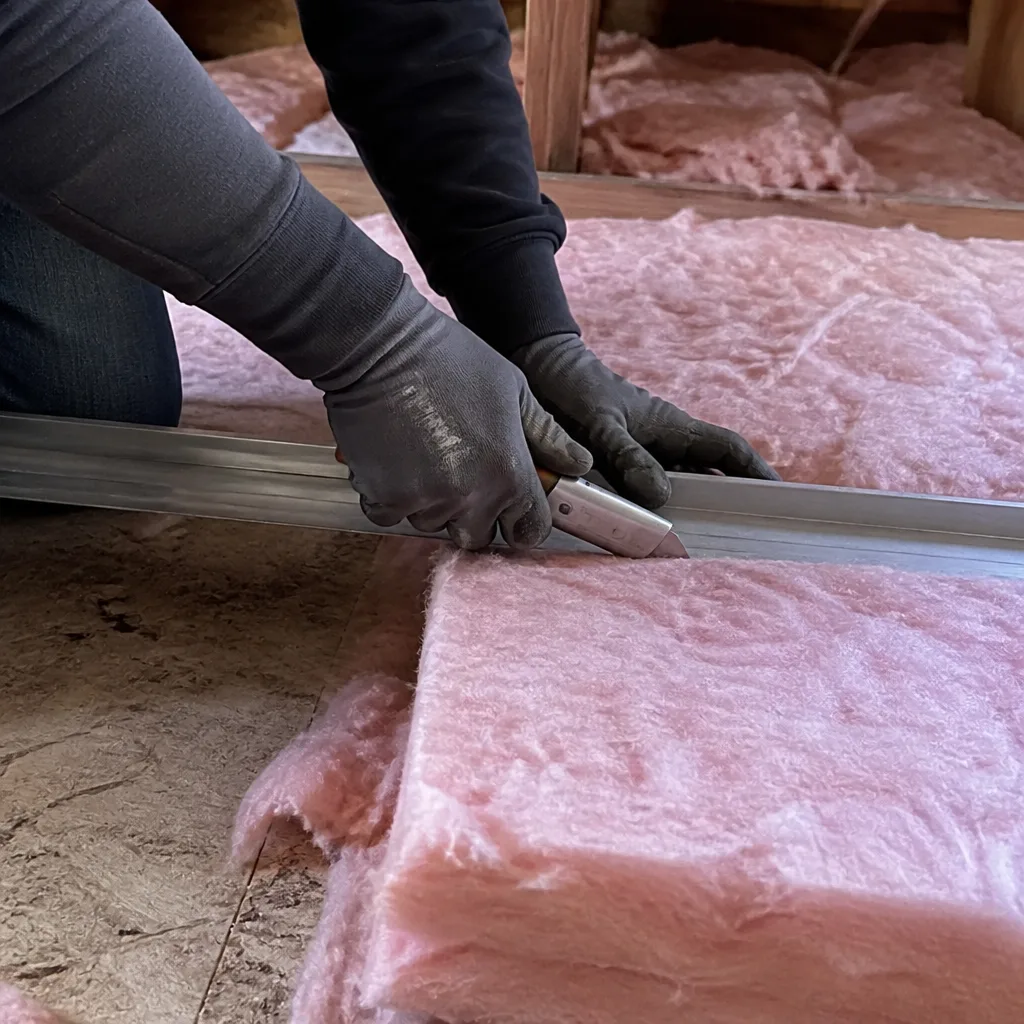
The problem: A mid-century home near downtown Enterprise had insulation sitting at roughly R-11, which is far under the R-38 to R-49 this climate calls for. The fiber was compressed and sunken between the joists, so the summer sun baked straight through the ceiling and the upstairs rooms never cooled off.
What we did: We air-sealed the gaps around recessed lights and top plates first, then blew in fresh loose-fill over the existing layer to bring the whole field up to the recommended level. The result was a continuous, evenly thick blanket instead of patchy pockets.
The result: The homeowner reported the upstairs staying noticeably cooler on our 105-degree afternoons and a lower cooling bill the first full month. Even coverage is the whole point.
Blown-In Insulation: Filling the Gaps a Roll Can’t Reach
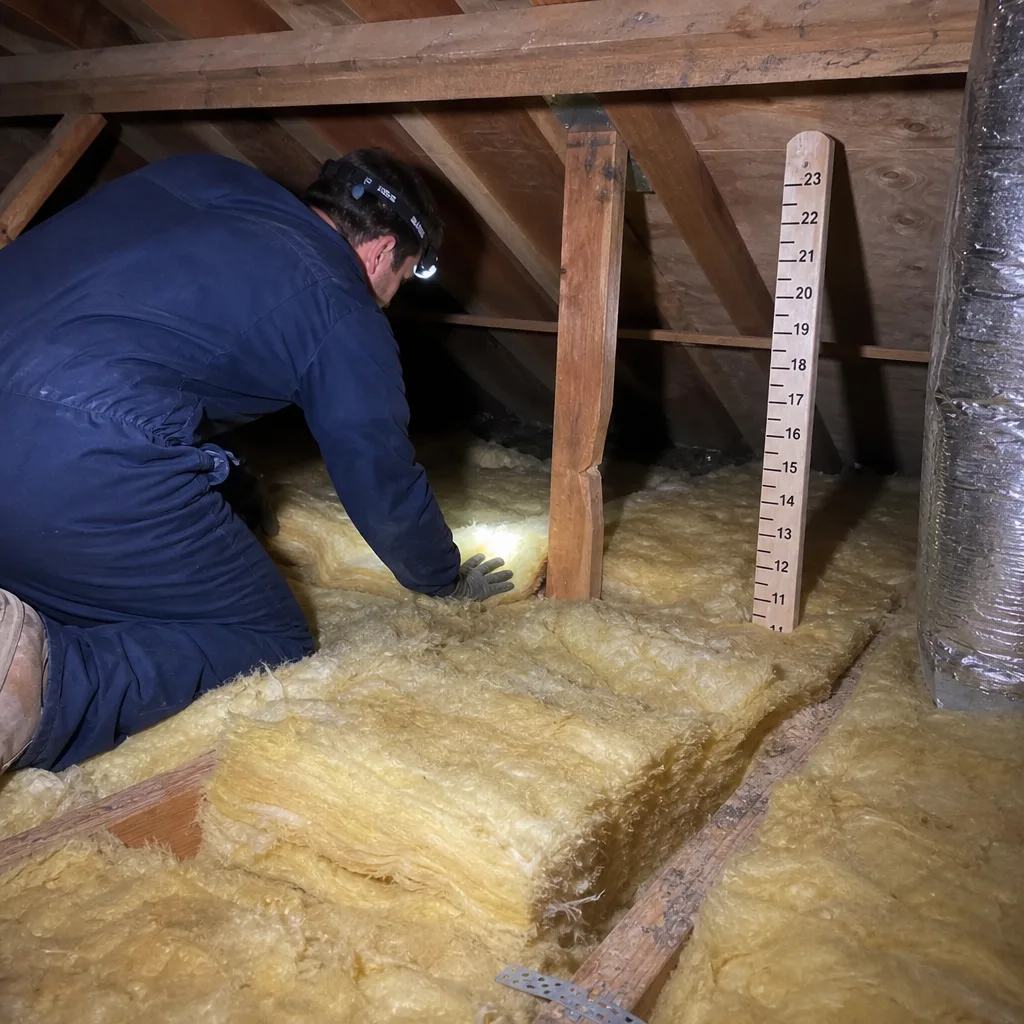
The problem: This attic had wonky joist spacing and a low pitch that made batt insulation a poor fit. The old rolls had settled and pulled away from the edges, leaving cold gaps along the slopes that showed up as a chilly spare bedroom over the garage.
What we did: Blown-in insulation (loose fibers blown into the attic cavity to fill every gap) was the right call here. The fibers reach around obstructions and settle into the corners that rolls miss, so the whole floor plane got consistent depth.
The result: The room over the garage stopped being the coldest spot in the house, and the temperature swing between floors evened out through the night.
Spray Foam Insulation: Sealing the Leaky Rim
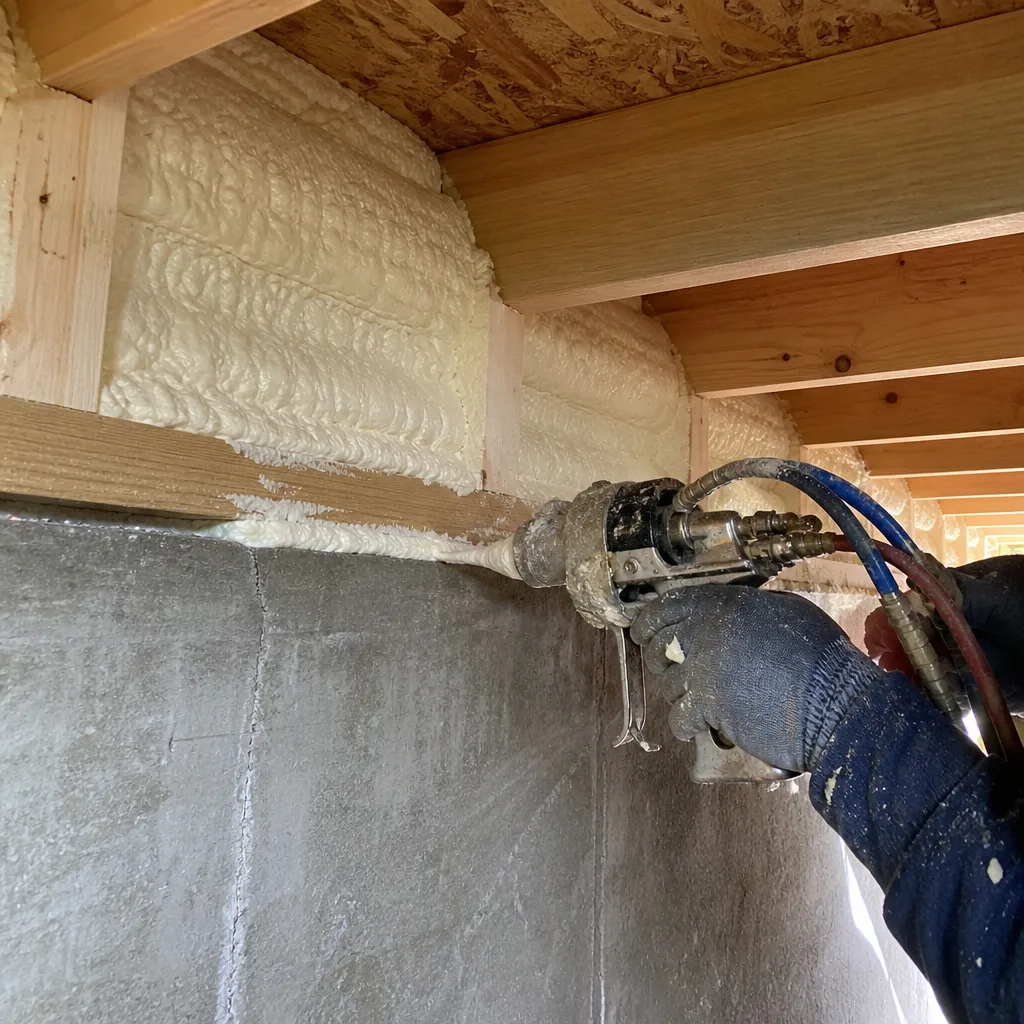
The problem: A newer home in the Enterprise foothills had good fiber on the attic floor but a drafty rim joist and a hot roof deck that pushed heat down into the top floor all afternoon. Standard rolls can’t seal those irregular framing cavities.
What we did: We applied spray foam to the rim joist and the underside of the roof deck where it made sense, creating an airtight seal and a solid thermal barrier. Foam expands to fill the gaps, so there’s no path for hot outside air to sneak in around the framing. We brought in Icynene and Demilec products to match how the cavities behaved in that elevation.
The result: The top-floor bedroom, which used to run several degrees warmer than the rest of the house, now tracks with the thermostat. Less heat gain, less work for the AC.
Attic Insulation: Topping Up a Home That Was Never Topped Off
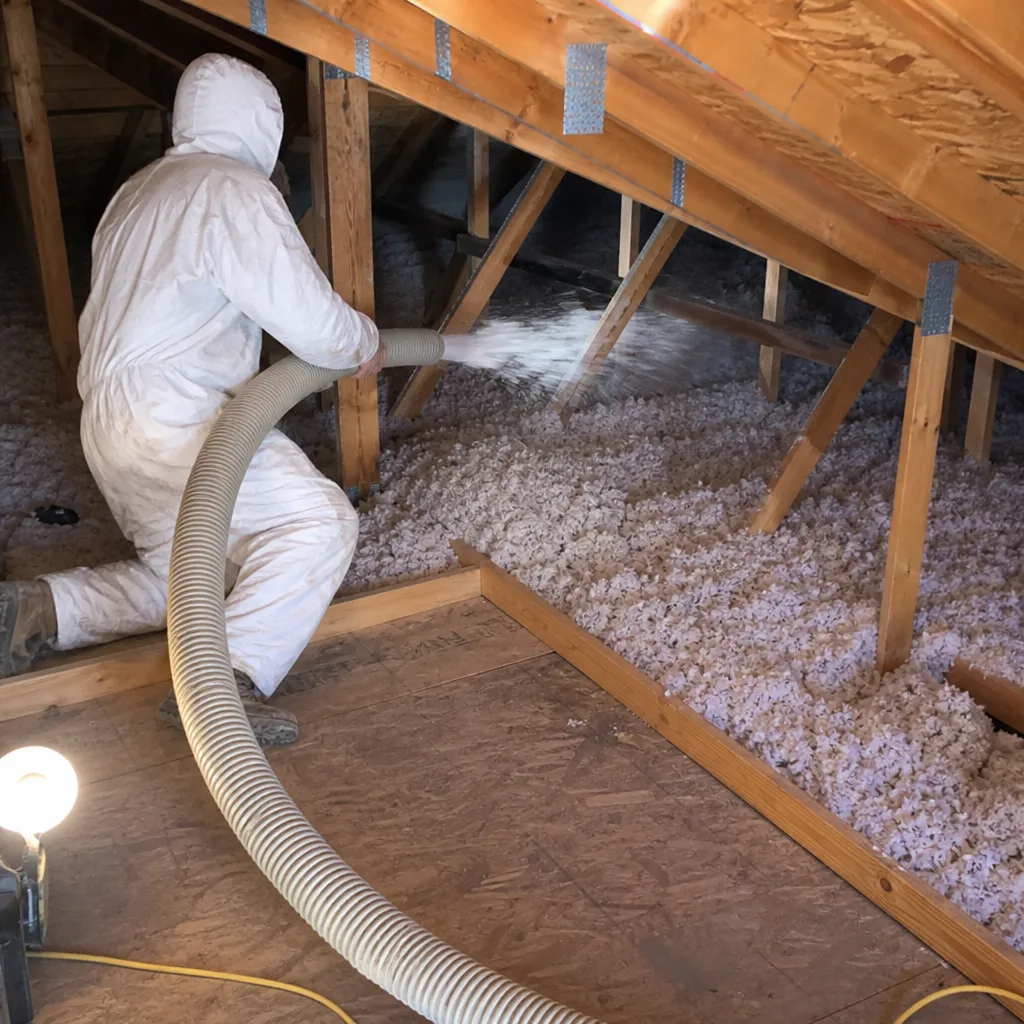
The problem: A home in one of Enterprise’s newer subdivisions was built with minimal attic insulation – enough to pass inspection, not enough to keep bills down in our desert summer. The homeowner couldn’t figure out why a 2015-era house felt warmer than expected.
What we did: We added blown-in Owens Corning loose-fill on top of the existing layer, sealing air bypasses first, to bring the attic up to the R-value the climate actually asks for. No removal was needed; we just built the level up.
The result: The cooling system stopped running nonstop by mid-afternoon, and the homeowner noticed the difference on the very first hot week after the work.
Air Sealing + Insulation: Chasing Down a Drafty, Uneven House
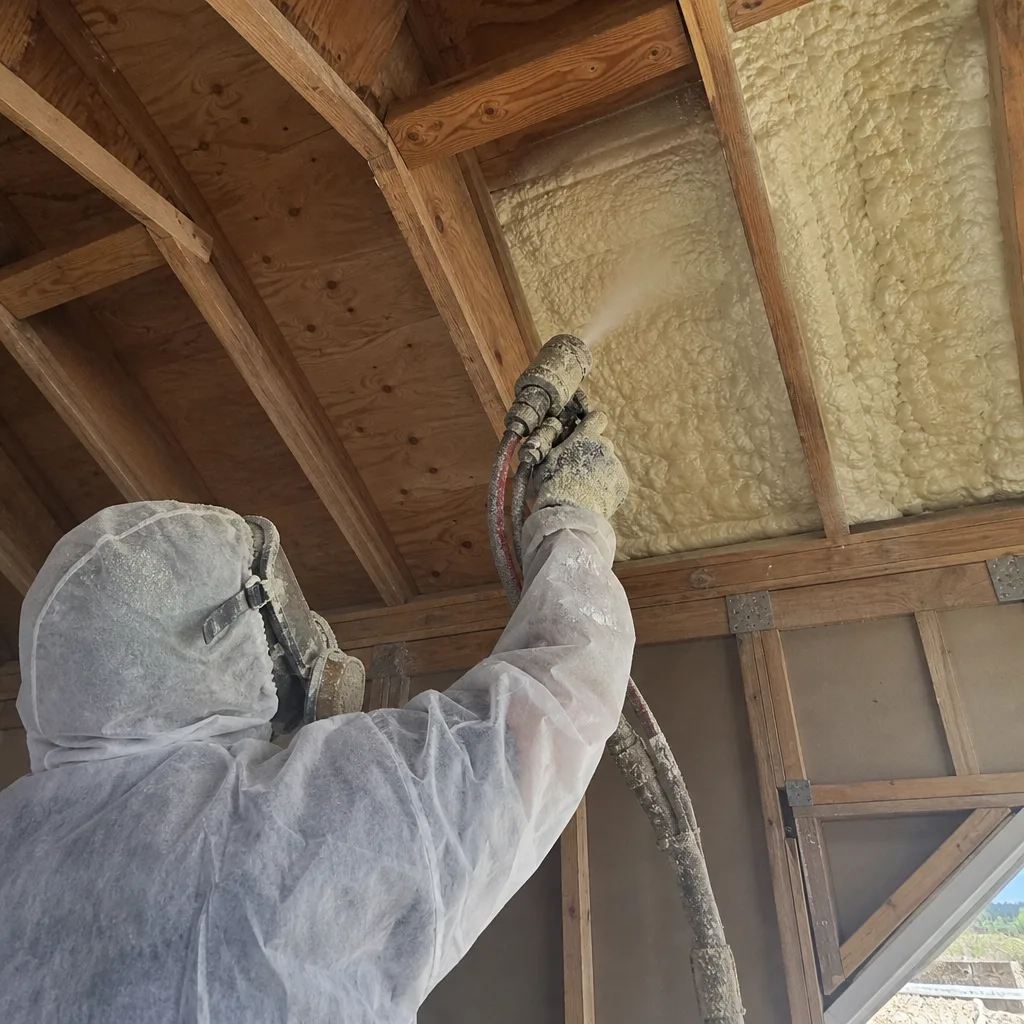
The problem: One Enterprise homeowner had rooms that never matched – some hot, some cool – with no obvious cause. Suspecting the attic, we found air leaks around penetrations and gaps where conditioned air was escaping straight into the attic. Insulation alone wouldn’t fix that.
What we did: We sealed the leaks first, then installed proper insulation depth to hold the conditioned air where it belongs. Leaks drain a house’s efficiency faster than thin insulation does, so fixing them together is the right order.
The result: Room temperatures came closer together and the thermostat got less of a workout. The homeowner said the house finally felt like one temperature instead of five.
Removing Contaminated Insulation, Then Rebuilding the Layer
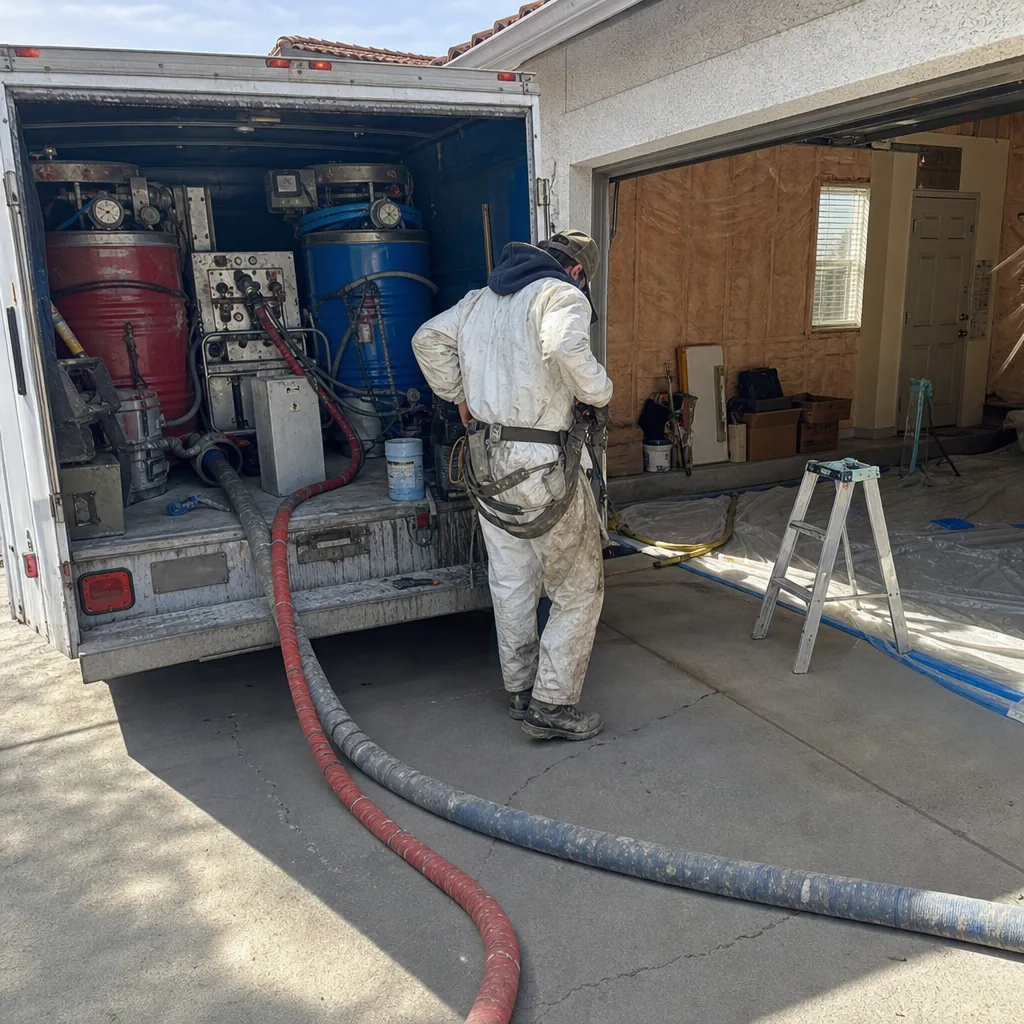
The problem: An older Enterprise home had insulation that had been wet, compressed, and was holding onto dust and debris – past the point where topping it up made sense. The homeowner wanted it gone and done properly.
What we did: We removed the old material, cleaned the attic cavity, air-sealed, and installed a fresh, even layer of new insulation sized for the home. Removal jobs take longer, but you can’t build good depth on bad material.
The result: A clean, evenly insulated attic and a home that holds its temperature the way it should. The homeowner got a written price before any work started, so there were no surprises on the invoice.
Want Results Like These?
Every project on this page came with a written price before work began and a 365-Day Done Right Promise covering labor and materials – if a repair fails, we make a free second visit. That’s the Threshold Verified standard on every Enterprise job. Call (844) 761-9996 and a live person answers 24/7 to talk through your attic. Estimates are free, and you’ll know exactly who’s coming before they arrive.
Written by the team at Aspen Attic Insulation Enterprise.