
Last updated November 18, 2026
Blown In Insulation Warning Signs Every Homeowner Should Know
If one room in your house runs noticeably hotter than the others every summer and your HVAC checks out fine, the problem is almost certainly above your ceiling. Blown-in insulation that has channeled, settled, or been disturbed is the first place to look, and most homeowners miss it for years because failing insulation doesn’t stain a wall or drip onto the carpet. It just quietly lets heat back into the rooms you pay to cool. In Enterprise, where July afternoons push past 105°F and attics hit 150°F or more, that failure shows up faster and costs more than in milder climates. This guide covers the warning signs we see on Enterprise service calls, what each one actually points to, and how to tell whether you need a top-up or a full reinstall.
Quick Answer
The main warning signs of failing blown-in insulation are uneven room temperatures, HVAC systems running longer than they used to, hot ceiling surfaces in upstairs rooms, energy bills creeping up without any rate change, and visible problems in the attic like joists showing above the insulation, uneven depth, or discoloration. Caught early, most of these mean a top-up rather than a full removal. Caught late, you’ve usually overpaid for cooling for two or three summers before you notice.
Table of Contents
- The comfort signs you notice first
- What to look for at the attic hatch
- The energy bill signal and how to read it
- Signs the original install was done poorly
- Top-up or full reinstall? How to tell
- Why Enterprise attics fail faster
- Common mistakes to avoid
- Frequently asked questions
The Comfort Signs You Notice First
Insulation failure shows up in how your house feels long before you climb into the attic. These are the signals homeowners describe to us most often on the phone, and each one maps to a specific failure.
- One room is hotter than the rest. This usually points to channeling, where loose fibers have shifted and left a low-density path for heat to travel straight through. It’s common around attic HVAC ducts and near any soffit vent that pulls air through the insulation blanket.
- Your HVAC runs longer than it used to. If the system comes on at the same thermostat setting but stays on fifteen or twenty minutes longer to hit it, the attic is losing more heat through the ceiling than it used to. The equipment isn’t the problem; the ceiling above it is.
- Ceilings feel warm to the touch in summer. Put the back of your hand on an upstairs ceiling around 3 p.m. in July. If it’s noticeably warmer than the wall beside it, the insulation above it is thin or missing over that spot.
- Odd hot or cold spots near recessed lights and ceiling fixtures. Blown-in insulation displaced around a fixture leaves a bare circle of drywall acting as a small radiator into the room.
In our experience across Enterprise, small comfort complaints cluster around upstairs bedrooms and rooms sitting over a garage. Those are the areas most likely to have been under-insulated or disturbed during a past HVAC change-out. They’re also the easiest to fix with the right materials, whether that’s a top-up using blown in insulation in Enterprise or a targeted repair.
What to Look for at the Attic Hatch
You don’t need to crawl around the attic to spot most blown-in insulation problems. Standing on a ladder with your head and a flashlight through the hatch, you can check five things in about two minutes.
- Are the ceiling joists visible above the insulation? In a properly insulated attic, the loose fill covers the joists completely. If you can see the wood, the depth has dropped below where it needs to be, and settling is likely the cause.
- Is the depth even? Sweep your flashlight across the field of insulation. Wide dips and shallow patches mean the original blow missed sections or fibers have migrated. Watch for the difference across the full attic floor, not just near the hatch.
- Any discoloration? Gray or brown streaks in the white or pink loose fill mean moisture. Insulation stops insulating when it’s wet, and moisture in an attic usually points to a roof, vent, or bathroom fan problem that needs fixing before any new insulation goes down.
- Do you see tunnels or fine trails? Tunnels cut through loose fill are a sign of pest activity. Rodents compress and displace insulation as they move, and that damage needs to be addressed before top-up.
- Is the exhaust duct or hatch area clear? Insulation piled against a hot recessed light housing, the bathroom exhaust fan, or without any barrier at the eaves is a warning sign the install cut corners.
Never step off the joists onto drywall alone when you’re checking. Attic floors aren’t walking surfaces, and in Enterprise’s summer heat an attic can reach temperatures that are genuinely unsafe for more than a few minutes. If something looks wrong, photograph it from the hatch and let a technician do the inspection.
The Energy Bill Signal and How to Read It
Energy bills rise in Nevada summers for everyone. The warning sign isn’t a higher bill; it’s a higher bill that doesn’t match your usage. Here’s how to tell the difference.
Pull the last two summers of bills and find the same month year over year. If your occupancy, thermostat settings, and appliance use haven’t changed but you’re using 10-20% more kilowatt-hours, the attic is a prime suspect. On a typical Enterprise home using around 1,200 kWh in July, a 15% jump is roughly 180 extra kWh. At Southern Nevada rates, that’s $25-$35 a month during cooling season, or $75-$105 across a summer.
Now think in years. If R-value has been degrading for two or three summers before you noticed, you may have already paid several hundred dollars for cooling that went straight through the ceiling. That’s the pattern that makes quiet insulation failures expensive: the money leaves slowly enough that no single bill triggers alarm.
R-value is the measure of how well a material resists heat flow, and code in our climate expects a high number in the attic for a reason. When loose fill compresses or settles, its R-value drops in proportion. A 20% loss in depth is a 20% loss in R-value, and in a 110°F Enterprise summer the consequences arrive on the bill.
Signs the Original Install Was Done Poorly
Some warning signs aren’t age or settling. They’re leftover mistakes from the day the insulation was installed. We see the same three errors over and over in attics around Enterprise.
- No baffle at the eaves. A baffle (a simple chute) keeps insulation from blocking airflow where fresh air enters the attic. Wadded-up insulation pressed right to the roof deck at the eave edge starves the attic of ventilation and leads to hot spots and moisture.
- Recessed lights completely buried. Standard recessed can lights were never meant to be covered with insulation. The gap left around them is a heat leak, and in some older housing types covering them is a fire concern. Insulation should ring the fixture carefully, never blanket it.
- Depth varies by more than two inches. A proper blown-in job leaves a consistent depth across the whole attic floor. When the installer runs short on material or rushes, you’ll see depth swing two or three inches from section to section, meaning part of your ceiling is undersized on R-value.
These are exactly the problems that make a cheap bid look cheap. A one-size-fits-all blow with a single material won’t correct a missing baffle or a buried can light. That’s why we match materials to the home (Owens Corning loose fill here, Rockwool batts there, Johns Manville where it fits) rather than blowing whatever’s on hand. If you’re weighing a fix against a fresh install, our guide to attic insulation in Enterprise walks through what a correct job looks like from the hatch to the baffles.
Top-Up or Full Reinstall? How to Tell
This is the question homeowners ask most: do I need the attic redone, or can you just add to it? The honest answer depends on what the existing insulation is doing.
You can usually top up when:
- The existing loose fill is clean, dry, and free of pest damage.
- The shortfall is depth, not condition. Level, settled insulation that’s a few inches shy of where it should be is a straightforward top-up.
- There’s no moisture damage and the ventilation is working.
You need removal and reinstall when:
- The insulation is wet, discolored, or smells musty. Wet fill must come out.
- Pest damage has left tunnels, nesting, or heavy contamination.
- The old job buried can lights, blocked baffles, or was installed with the wrong material for the application.
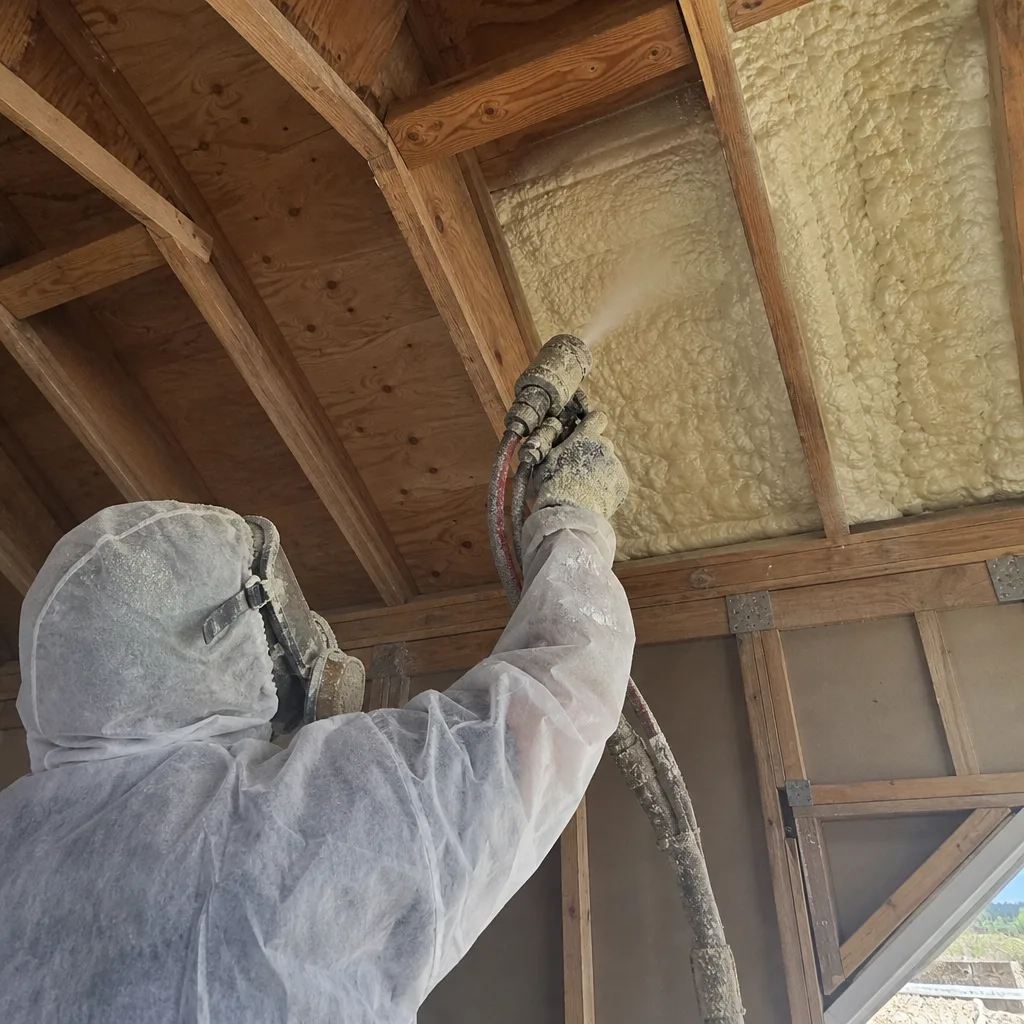
- You’re switching insulation types (for example, moving from loose fill to closed-cell spray foam insulation in Enterprise for a sealed attic).
A proper inspection answers this before any work is quoted. We check depth and density across the full attic, look for moisture, and confirm ventilation, so the recommendation is based on what your attic actually needs rather than what fits a fixed package. If you want the trade-level version of what we look for, the Aspen Attic Insulation Enterprise home page lays out the services and how a visit works.
Why Enterprise Attics Fail Faster
Insulation in Enterprise lives a harder life than it does in most of the country. Clark County summers routinely run from May into October above 100°F, and attic air temperatures climb well past the outdoor reading. That heat stresses loose fill and the materials around it. Two-to-three-inch seasonal swings between day and night help loosen packed fibers over time, and the dry air makes any moisture intrusion stand out as localized discoloration instead of spreading evenly.
Newer housing in Enterprise and the surrounding southwest valley often comes with builder-grade attic insulation sized to bare minimum code. That’s enough to pass inspection and not much more. Homes near Mountain’s Edge, Rhodes Ranch, and Southern Highlands show up in our call book with the same story: house a few years old, one bedroom hotter than the rest, bill climbing. More often than not, it’s under-insulated attic, not failing equipment.
Our technicians have up to 24 years of experience reading these patterns across Southern Nevada. That’s knowledge of the local climate and housing stock, not a claim about how long we’ve been a company. What matters at your door is that whoever arrives knows what a skimped job looks like before they climb down the ladder.
Common Mistakes to Avoid
- Assuming the HVAC is the problem. In Enterprise we see homeowners replace a working system before anyone opens the attic hatch. Get the insulation inspected first; it’s the cheaper diagnosis.
- Topping up over wet insulation. Adding fill over moist or pest-damaged material traps the problem and wastes the new material. Fix the moisture source and remove the damaged fill first.
- Covering recessed lights. Burying non-IC-rated can lights is a safety issue and a heat leak. The fixture needs clearance, and any old cans worth covering should be upgraded or ringed properly.
- Blocking the soffit vents. Without baffles, loose fill chokes the attic’s intake ventilation. That traps heat and can lead to condensation problems you didn’t have before.
- Trusting a bid that names no material. A quote that says only “blown-in insulation, X inches” without specifying the product makes it hard to know what you’re paying for. We name the manufacturer, the R-value, and the depth in writing before work starts.
- Chasing the lowest quote. The cheapest bid is often the job with no baffle, buried lights, and uneven depth. That’s exactly how the attic you’re trying to fix got into this condition.
- Skipping the written guarantee check. Ask what’s covered and for how long. Our 365-Day Done Right Promise covers both labor and materials for a full year, in writing, with a free second visit if the repair fails.
When to Call a Professional
Call a technician when you see the warning signs stacking up: two or more rooms running hot, a bill climbing without a usage explanation, or visible settling or moisture from the hatch. Call immediately if you see wet or discolored insulation, pest tunnels, or any sign of moisture near a recessed light or exhaust fan. Attic inspection and insulation work is hot, tight, and genuinely unsafe for a homeowner to handle alone in a Southern Nevada summer, and electrical fixtures buried in insulation are a fire concern best left to a trained installer. Don’t step off the joists and don’t try to move wet material yourself. Aspen Attic Insulation Enterprise offers free estimates in Enterprise; call (844) 761-9996 and a live person will answer, day or night, and send a named, photo-badged, background-checked technician to inspect your attic and put a written price in your hands before any work begins.
Frequently Asked Questions
The most common warning signs are uneven room temperatures (one room much hotter than the rest), an HVAC system running longer to reach the same thermostat setting, warm ceiling surfaces in upstairs rooms, and energy bills rising 10-20% year over year without a change in usage. In the attic itself, look for visible joists above the insulation surface, uneven depth, discoloration from moisture, and tunnels from pest activity. Call (844) 761-9996 for a free inspection if you’re seeing more than one of these.
You need a top-up if the existing insulation is clean, dry, and free of pest damage, and the shortfall is just depth. You need a full removal and reinstall if the insulation is wet, discolored, contaminated, or the original install has problems like buried can lights or missing vent baffles. A technician confirms this by checking depth and density across the whole attic, not just near the hatch. Call (844) 761-9996 for a written recommendation with no post-job surprises.
In the Enterprise market, a top-up typically runs in the range of $900-$2,400 depending on attic size and how many inches are needed, while a full removal and reinstall runs higher because of the removal labor and disposal. Since every attic is different, we put the exact price in writing before any work begins, so there are no surprises at the end. Call (844) 761-9996 for a free estimate and an exact number for your home.
Top up the insulation first. If your HVAC checks out but one room still runs hot, the problem is above your ceiling, not in the equipment. Replacing a working system before inspecting the attic is one of the most common and expensive mistakes we see in Enterprise homes. Call (844) 761-9996 and get a free attic inspection before you spend money on equipment.
We aim for same-day and next-day appointments for inspections in Enterprise, and a live person answers the phone around the clock so you’re never sent to voicemail. The technician’s name and photo are sent to you before the visit, and they’ll show a photo ID badge and a clean marked uniform at your door. Call (844) 761-9996 to schedule a free estimate.
Every job is backed by our 365-Day Done Right Promise, a written guarantee that covers labor and materials for a full year, with a free second visit if the repair fails. If it’s not done right, we make it right. Ask for it in writing on your estimate, and if you’re ready for that, call (844) 761-9996.
The Bottom Line
Failing blown-in insulation doesn’t announce itself the way a roof leak does. It shows up as one hot room, a warmer ceiling, an HVAC that works a little harder every summer, and a bill that creeps up while you assume it’s just the heat. Catch those signals early and the fix is usually a top-up; ignore them for two or three summers and you’ve paid for cooling that went straight through the attic. In Enterprise, the heat makes it happen faster, so the earlier you look, the less you spend. If any of this sounds like your house, get a free estimate before the next cooling season. Call (844) 761-9996 and a live person will be on the line.
Written by the team at Aspen Attic Insulation Enterprise.